
August 31, 2026
Why Won’t My Injury Heal When I Am Doing Everything Right?
If you are asking why won’t my injury heal, start with the good news: most injuries do heal, and faster than people expect, once your provider finds the tissue driving the problem and treats it directly. That is the ordinary outcome at our Yorkville clinic. Motion usually improves on the first visit, and most patients are done in a handful of visits and back to their life.
Sometimes it does not go that way. The work is right, the change happens on the table, and then it keeps unwinding between visits. That smaller group is what this article is about, because if you are in it you deserve a real explanation instead of another appointment.
First, the common case, because it is most of them
Muscle, fascia and tendon problems are usually mechanical. Something specific got restricted, it changed how everything around it moves, and the pain shows up downstream of the real culprit.
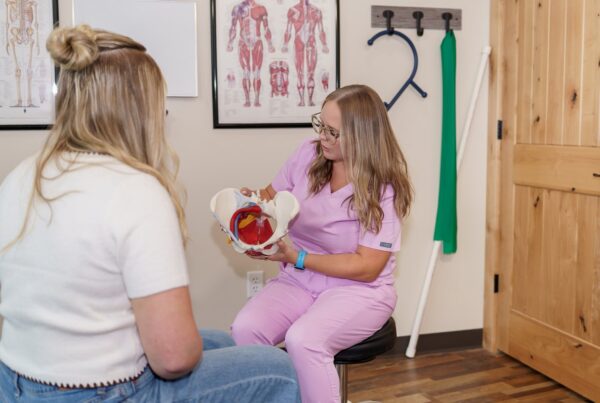
Hands on care solves that. Find the tissue, treat it, load it correctly, and give the person two or three things to do so it holds. Rotator cuffs, plantar fasciitis, low back, necks, tennis elbow, knees. This is the daily work, and for the large majority of people it is the entire story.
So if nobody has put hands on you and found something specific yet, you may not have a mystery. You may just not have had the right assessment.
The smaller group, and what is actually going on
Then there is the patient who does everything right and parks at 70 percent.
Think of repair as a construction project. Hands on care handles the job site, clearing what is restricted and telling the body where to rebuild. But the project also needs raw materials and a crew that gets to rest, and when the inside of the body is short on either, good work on the site does not stick.
That is not a failure of the hands on work. It is a signal that the plan needs a second half.
What we check when healing stalls
These come up in a minority of cases, and every one of them is measurable rather than a guess. Here are some examples, but the medical exam is much more comprehensive than these alone.
Chronic inflammation. A body already inflamed everywhere has less capacity to run a targeted repair where you need one.
Thyroid function. An underactive thyroid slows tissue turnover, and often shows up as fatigue and stubborn injuries before anything dramatic.
Low iron or ferritin. Common in women and endurance athletes, and it limits the oxygen delivery that repair depends on.
Blood sugar. Chronically elevated blood sugar is one of the better documented brakes on soft tissue and wound healing.
Sleep. Most repair signaling happens overnight, and six broken hours is a shorter shift than the job requires.
Hormones. Testosterone and estrogen do real structural work on muscle, tendon and bone. Plenty of people in their forties and fifties are not recovering the way they used to for reasons that have nothing to do with effort.
Notice what is not on that list: trying harder.
Side by side, in the same building
Here is where most people get stuck, and it is worth being clear that it is not the fault of whoever treated you.
In most of healthcare, the person working on your shoulder and the person who could order your labs are in two different buildings with two different waiting lists, and neither is paid to call the other. So the patient becomes the messenger, carrying half a story to each side. That is a model problem, not a people problem. Some of the sharpest providers in Kendall County work inside it, and several of them send us patients when they hit its limits.
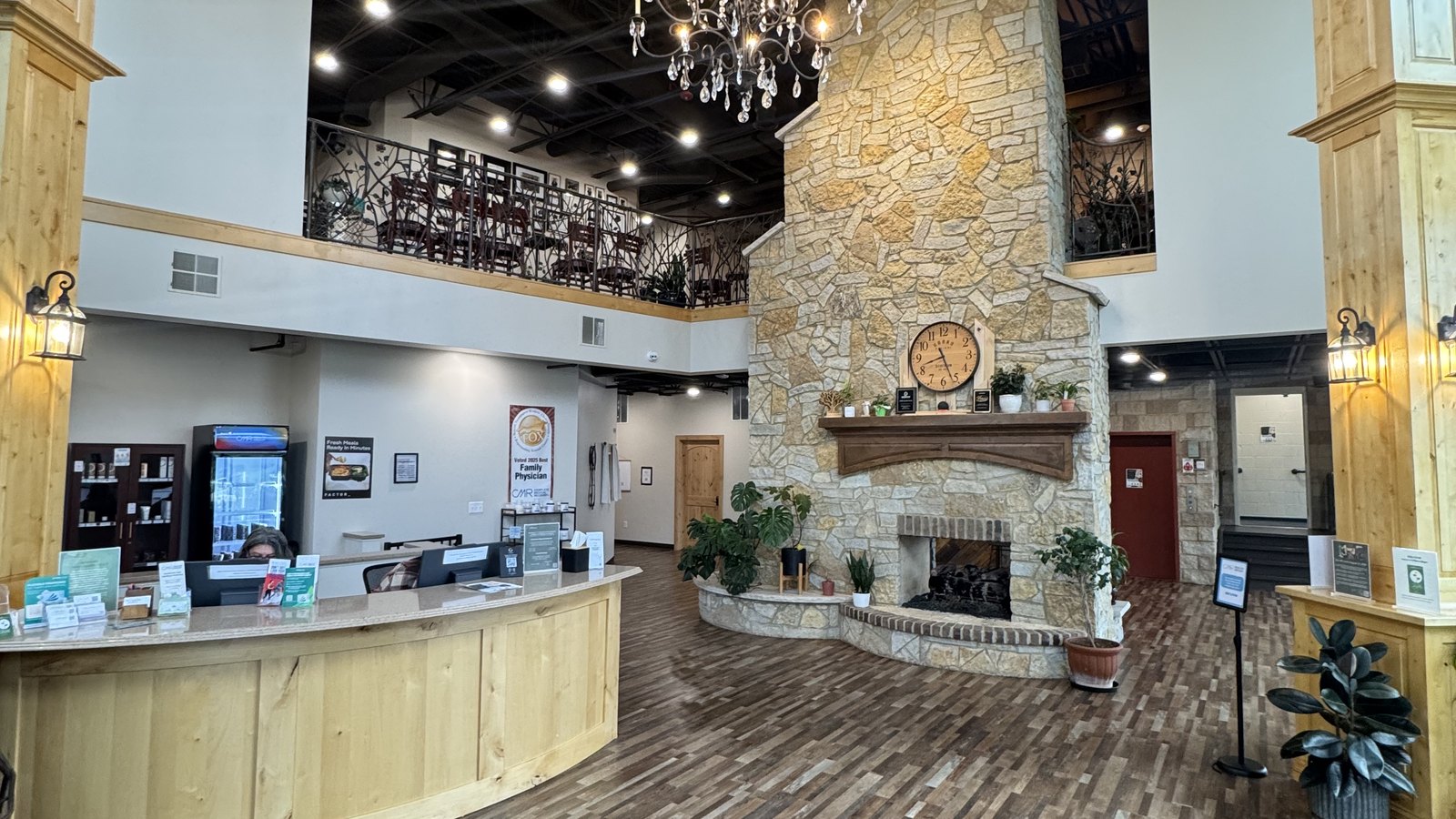
CMR Health Group is cash based and out of network on purpose, and hands on muscle and fascia work happens one floor below an outstanding integrative medical team: nurse practitioners, comprehensive labs, hormone and metabolic work. The real thing, not a referral pad.
So in that minority of cases, nobody gets sent across town to start over with a stranger. You go upstairs, and we build one plan together. The hands on work keeps going the whole time. It just stops fighting uphill.
That is what one roof buys. Not a backup plan. A better one, available when it is warranted.
And when the answer is not here at all
If your progress keeps unwinding, we treat that as information rather than as your fault, and that is the moment a lab conversation makes sense instead of four months from now.
But if the answer is not in this building, we say so. If we cannot fix it, we will not waste your time and money. We will refer you to whoever can. That is the actual operating rule here, not a line for a website.
Frequently asked questions
Why won’t my injury heal even though I am doing my exercises?
Most of the time the specific driving tissue has not been found and treated yet, which is a fixable assessment problem rather than a healing problem. In a smaller number of cases the tissue work is right and something systemic is capping repair, such as inflammation, thyroid, low iron, blood sugar, sleep or hormones. If you are compliant and still stuck at the same percentage after several weeks, that is the point to look inside rather than add reps.
How long should a muscle or tendon injury take to get better?
Most straightforward muscle and fascia problems respond noticeably within the first few visits, and many resolve inside a five visit plan. Tendon problems take longer because tendon remodels slowly, often several months of loading. What matters more than the calendar is direction. If nothing has measurably changed after a few sessions, the plan needs to change, not just continue.
Do most people need bloodwork to recover from an injury?
No. The large majority of patients get better with hands on care and a short home plan, and never need labs at all. Bloodwork is for the smaller group whose progress will not stick, where a full medical workup can show a specific, correctable reason why.
Do I need a referral to be seen in Illinois?
No. Illinois patients can come to us directly, and we see people from Yorkville, Oswego, Plano, Montgomery, Sugar Grove, Sandwich and Newark without a physician referral. Call 630-999-8665 and we will tell you on the phone whether we think we can help.
Get an actual answer, not another appointment
If you are hurting, the fastest path is usually the simple one: let a provider find what is actually driving it and treat it. Most people need nothing more than that, and if you turn out to be one of the few who does, the rest of the answer is already upstairs.
Call our Yorkville office at 630-999-8665 for a free consult, or book online. If we are not the right answer, we will tell you early and point you to who is.
About CMR Health Group
CMR Health Group is your trusted healthcare center for holistic health and personalized care.
Want to see for yourself? Book an appointment today.
MORE RESOURCES